Best Insurance Companies for Workers Compensation: Top Picks
- 31 Oct 2025

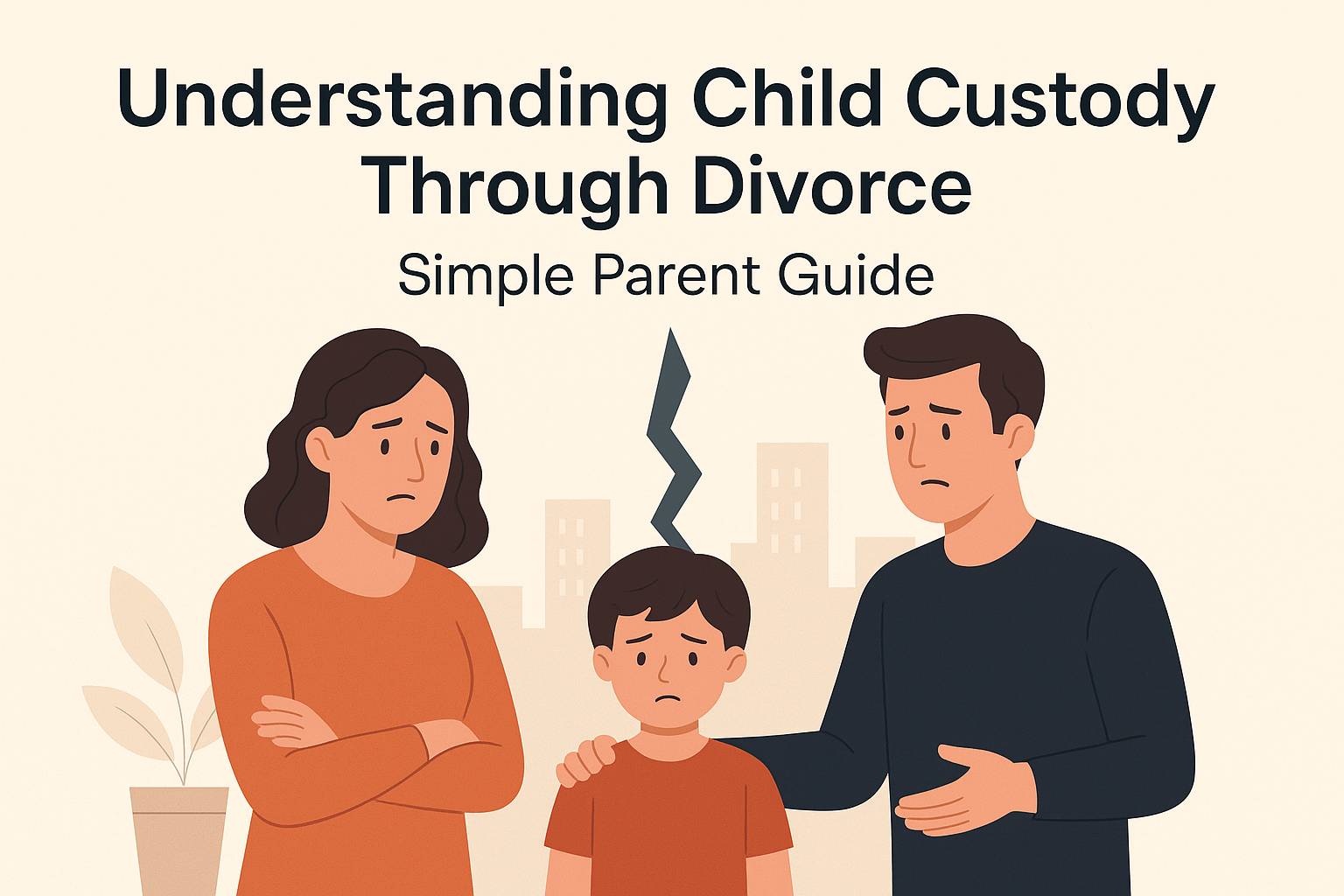
Divorce can be one of the most emotional and stressful times in a family’s life. When children are involved, the process becomes even more delicate. Parents often worry about who the children will live with, how decisions will be made, and how to ensure the children’s well-being during and after the divorce. This is where child custody comes in.
Understanding child custody during divorce is essential for both parents, as it helps reduce confusion, avoids unnecessary conflict, and ensures the children’s best interests are protected. This article breaks down the basics of child custody in simple terms, guiding you through the process so you can make informed decisions.
Child custody refers to the legal and practical relationship between a parent and their child. It defines who makes key decisions about the child’s life and where the child lives. There are two main types:
Legal Custody: The right to make major decisions about the child’s education, healthcare, and upbringing.
Physical Custody: Determines where the child lives and who provides daily care.
Custody may be:
Sole Custody: One parent has full rights.
Joint Custody: Both parents share responsibilities.
Courts typically encourage joint custody to allow children to maintain meaningful relationships with both parents.
When determining custody, courts focus on the best interests of the child. Key factors include:
Age of the child: Younger children may need more consistency and stability.
Parental stability: Each parent’s ability to provide a safe and supportive home.
Emotional bonds: Strength of the parent-child relationship.
Work schedules: Availability to care for the child’s daily needs.
History of abuse or neglect: Any evidence of domestic violence heavily influences decisions.
Child’s wishes: Older children may have their preferences considered.
Understanding the different custody options helps parents plan effectively:
Sole Legal Custody: One parent makes all major decisions.
Joint Legal Custody: Both share decision-making rights.
Sole Physical Custody: The child lives with one parent; the other may have visitation.
Joint Physical Custody: The child divides time between both parents.
A parenting plan is a written agreement outlining how parents will raise their children after divorce. It typically includes:
The child’s primary residence
Holiday and vacation schedules
Decision-making guidelines
Communication expectations between parents
Visitation rights ensure both parents maintain strong relationships with the child. Typical arrangements may include alternating weekends, weekday visits, or extended summer stays.
Custody disputes can be stressful, but understanding your options helps reduce conflict:
Negotiation: Parents work out terms together.
Mediation: A neutral third party helps reach agreement.
Court Decision: A judge makes the final ruling if no agreement is reached.
A family law attorney guides parents through custody laws and ensures their rights—and their child’s best interests—are protected. Attorneys assist with:
Legal documentation
Negotiations or mediation
Court representation
Understanding state-specific custody laws
Effective co-parenting ensures stability for children after divorce. Tips include:
Maintain respectful communication.
Avoid negative talk about the other parent.
Keep consistent rules across households.
Attend school and medical events together when possible.
Healthy co-parenting helps children feel secure, supported, and loved by both parents.
“Mothers always get custody.” – Courts prioritize the child’s best interests, not gender.
“Paying child support gives custody rights.” – Custody and support are separate issues.
“Children can choose who to live with.” – A child’s opinion is considered, but the court makes the final decision.
Stay calm and avoid public arguments.
Focus on your child’s emotional and physical needs.
Keep detailed records of interactions and agreements.
Stay flexible—custody arrangements may evolve over time.
Consider professional help from therapists or mediators.
Child custody decisions are not about “winning” or “losing.” They’re about ensuring children have stability, love, and support from both parents. By understanding custody laws, cooperating respectfully, and prioritizing your child’s needs, you can help create a nurturing environment even after divorce.
1. What does “joint custody” mean?
Joint custody means both parents share decision-making responsibilities (legal custody) and/or physical custody (time with the child).
2. Can custody be modified after the divorce?
Yes. Custody arrangements can be changed if circumstances significantly change, such as relocation, job loss, or concerns about the child’s safety.
3. How long does a custody case take?
It varies. Simple cases may resolve in weeks, while contested cases can take months or more, depending on state laws and court availability.
4. Do grandparents have custody or visitation rights?
In some states, grandparents can petition for visitation or custody if it benefits the child, though parental rights are typically prioritized.
5. What if one parent refuses to follow the custody order?
You can return to court to enforce the order. Judges may issue fines, modify custody, or take legal action against non-compliance.
6. Can children testify in custody court?
In certain cases, older children may share their preferences privately with a judge or guardian ad litem, depending on the state.